
Introduction
Feline diabetes mellitus is a common endocrine disorder in cats. It happens when the body cannot produce enough insulin. Alternatively, cells fail to respond properly to normal insulin levels. Without insulin, glucose cannot enter the cells. Instead, sugar builds up in the bloodstream. This condition mimics human Type 2 diabetes in many ways. Fortunately, with early detection, proper treatment, and diet changes, many cats achieve diabetic remission. Recognizing the warning signs early saves lives. Knowing how to manage insulin at home empowers pet parents. Providing the right low-carb wet food meal plans transforms your cat’s health. Let us dive deep into the complete roadmap for managing feline diabetes.
Spotting Early Feline Diabetes Symptoms
Recognizing early feline diabetes symptoms makes a huge difference in prognosis. The classic signs include excessive thirst and increased urination. You might notice your cat visiting the litter box constantly. They may leave heavy, soaked clumps behind. Another hallmark sign is a sudden, ravenous appetite paired with weight loss. Even though your cat eats more, they keep losing weight. Their body breaks down muscle and fat for energy instead of glucose. You might also observe lethargy or weakness in the hind legs. This weakness stems from diabetic neuropathy affecting nerve function. If you notice these warning signs, schedule a vet visit immediately. Blood and urine tests confirm a definitive diagnosis quickly.
How Veterinarians Diagnose Feline Diabetes
Diagnosing feline diabetes involves simple yet crucial clinical tests. Your vet will check blood glucose levels and serum fructosamine. High blood glucose alone does not confirm diabetes. Stress hyperglycemia is very common in anxious clinic cats. Fructosamine tests measure average blood sugar over two weeks. This eliminates stress-induced false positives from the equation. Urinalysis is another standard diagnostic step. Vets look for glucose and ketones in the urine. Ketones indicate a dangerous, life-threatening emergency known as diabetic ketoacidosis. Once diagnosed, your veterinarian will outline an immediate treatment plan. This plan typically involves daily insulin therapy and dietary adjustments.
Mastering Home Insulin Care for Cats
Administering insulin at home sounds intimidating to many cat owners. However, it quickly becomes a routine part of your daily life. Your vet will prescribe a specific insulin type and dose. Popular veterinary insulins include Lantus and ProZinc. Always roll or gently invert the vial before drawing your dose. Never shake insulin bottles, as this damages the fragile protein molecules. Use ultra-fine insulin syringes marked clearly with unit lines. Pick a comfortable spot where your cat feels safe and relaxed. Gently lift a fold of skin on the scruff of the neck. Insert the needle smoothly at a slight angle. Push the plunger down and withdraw the needle quickly. Reward your cat with praise and a low-carb treat afterward. Always feed your cat shortly before their insulin injection. This prevents dangerous blood sugar drops known as hypoglycemia.
Monitoring Blood Glucose Levels at Home
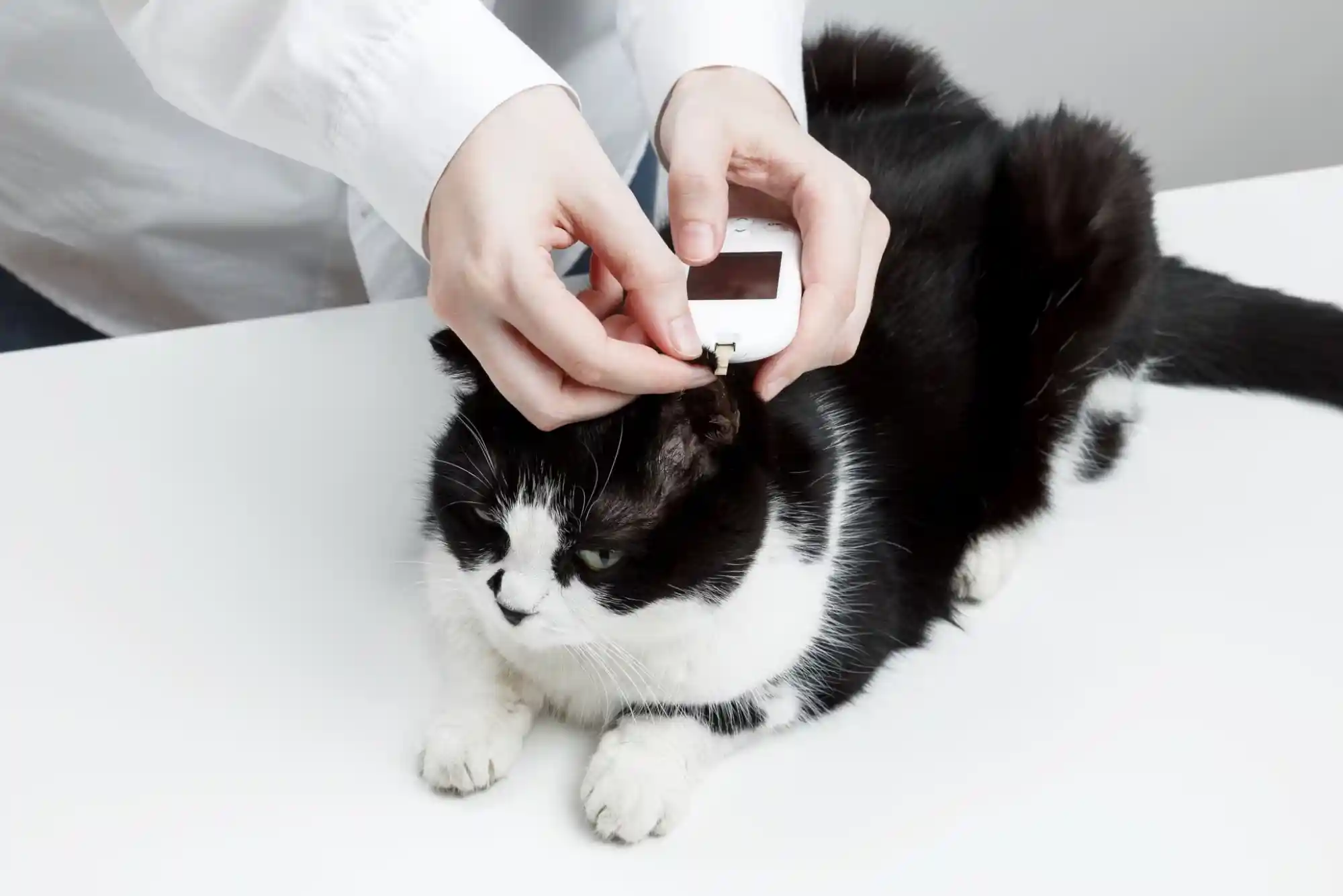
Tracking blood glucose ensures your insulin routine remains safe and effective. Home blood glucose curves guide your veterinarian on dose adjustments. You can easily test your cat’s blood using a pet glucometer. Many owners prick the outer edge of the cat’s earflap. Warm the ear gently beforehand to encourage good blood flow. Collect a tiny droplet of blood on the test strip. Log every reading along with the time and food intake. Watch out for warning signs of low blood sugar, such as trembling. Keep corn syrup or honey on hand for emergency sugar boosts. Never change your insulin dose without consulting your veterinarian first. Consistent monitoring keeps your diabetic cat safe from complications.
The Power of Low-Carb Wet Food Meal Plans
Dietary management forms the absolute cornerstone of feline diabetes care. Cats are obligate carnivores with unique nutritional requirements. In the wild, their natural diet consists of high-protein, moisture-rich prey. Dry kibble is loaded with carbohydrates like corn, wheat, and rice. These carbs spike blood sugar levels rapidly after every single meal. Transitioning to low-carb wet food meal plans changes everything. Wet food contains significantly fewer carbohydrates and much more moisture. Lowering carbohydrate intake helps stabilize blood glucose levels naturally. Many cats even reduce or eliminate their insulin needs through diet alone. Always read pet food labels to check carbohydrate percentages. Look for canned foods with less than ten percent dry matter carbohydrates.

Transitioning Your Cat to a New Diet Safely
Switching your diabetic cat to canned food requires patience and care. Some cats become addicted to the crunchy texture of dry kibble. Never switch your cat’s food abruptly if they take insulin. Sudden diet changes can cause severe, dangerous hypoglycemia episodes. Mix a tiny bit of wet food into their dry kibble. Gradually increase the wet food proportion over two to three weeks. Warm the wet food slightly to enhance its aroma and appeal. If your cat resists, try sprinkling a crushed freeze-dried treat on top. Monitor blood glucose closely during the entire transition period. Your vet may need to lower the insulin dose as carbs drop.
Building a Balanced Daily Feeding Routine
Consistency matters immensely when feeding a diabetic feline patient. Feed your cat two main meals every single day. Align these meals directly with your scheduled morning and evening insulin doses. Some cats prefer grazing throughout the day instead of big meals. If your cat grazes, consult your vet about tailored insulin protocols. Always ensure fresh, clean water is available in multiple locations. Diabetic cats need plenty of hydration to flush out excess sugar. Avoid high-carb commercial treats entirely during training or bonding sessions. Substitute them with pure freeze-dried meat treats like chicken or salmon. Simple dietary discipline protects your cat from dangerous blood sugar fluctuations.
Understanding Diabetic Remission in Cats
Diabetic remission is an inspiring and totally achievable goal. Remission means your cat no longer requires daily insulin injections. This usually happens when early diagnosis meets aggressive dietary therapy. Eliminating dry food allows the pancreas time to heal itself. Insulin-producing beta cells can sometimes recover their baseline function. Remission is not a permanent cure, but rather a managed state. If high-carb foods return, diabetes symptoms will quickly flare back up. Keep your cat on a strict low-carb diet for life. Regular vet checkups ensure your cat stays healthy and remission holds.
Preventing Complications and Managing Emergencies
Feline diabetes requires vigilance to prevent serious medical emergencies. Hypoglycemia is the most immediate risk of insulin therapy. Symptoms include extreme lethargy, wobbling, disorientation, and muscle twitching. Rub honey or corn syrup on your cat’s gums during a crisis. Contact your emergency vet clinic without any delay whatsoever. Another critical emergency is diabetic ketoacidosis caused by severe illness. Watch out for vomiting, loss of appetite, and sweet-smelling breath. Proper home care, accurate dosing, and routine vet visits prevent these emergencies. Your dedication gives your beloved feline a wonderful quality of life.
Frequently Asked Questions
Can feline diabetes be cured completely?
While not strictly cured, many cats achieve long-term clinical remission. Strict low-carb diets and early insulin therapy make this possible.
How much does feline diabetes treatment cost monthly?
Monthly costs vary based on insulin, testing supplies, and wet food. Budgeting for vet checkups and blood work is also essential.
Can diabetic cats eat normal cat treats?
Most commercial treats contain high levels of hidden starches and carbs. Stick strictly to pure freeze-dried meat treats to avoid sugar spikes.
How long can a diabetic cat live with treatment?
With proper management, insulin care, and low-carb meal plans, cats live normal lives. Many live happily for several years post-diagnosis.
Conclusion
Managing feline diabetes feels overwhelming at the very beginning. However, it quickly transforms into a manageable daily routine. Spotting early symptoms allows you to seek veterinary help promptly. Mastering home insulin care protects your cat from dangerous blood sugar spikes. Adopting low-carb wet food meal plans promotes healing and stability. Remember that you are never alone on this healing journey. Partner closely with your veterinarian to tailor the best care plan. Take a deep breath and start making small, positive changes today. Your loving dedication gives your furry friend the best life possible.