Introduction
Many cat parents want to upgrade their pet’s diet. Moving from dry kibble to wet food offers amazing health benefits. However, a sudden change often leads to digestive upset. Cats have notoriously sensitive stomachs. Their digestive tracts need time to adjust to new textures and ingredients. Knowing how to switch cat food from dry kibble to wet food without upset stomach is essential for a smooth transition. Rushing the process can cause vomiting or severe diarrhea. Taking a slow, measured approach protects your cat’s gut health. This guide provides a foolproof roadmap for a successful dietary change.
Why Make the Switch to Wet Food
Dry kibble lacks the moisture cats need in their daily diet. In the wild, felines get most of their hydration from prey. Domestic cats often do not drink enough water from a bowl. This puts them at risk for urinary tract issues and kidney disease. Wet food typically contains around 70 to 80 percent moisture. This high water content keeps your cat well hydrated. Furthermore, wet food is much higher in protein and lower in carbohydrates. Carbs are often packed into dry kibble to hold its shape. Too many carbs can lead to feline obesity and diabetes. Switching helps your cat maintain a lean, muscular body condition. Many cats also find the rich aroma of wet food much more appealing.
Understanding Your Cat’s Sensitive Digestive System
Feline digestion is quite delicate compared to human digestion. Their gut microbiome is specifically tailored to process animal proteins. When you introduce wet food, the change in macronutrients alters gut bacteria. A sudden shift shocks the digestive tract and causes inflammation. This results in unpleasant symptoms like runny stools or gas. Moreover, cats are creatures of habit. They form strong textural preferences during kittenhood. A new food texture might cause stress or outright rejection. Stress alone can trigger stomach upset in sensitive cats. Recognizing these biological hurdles helps you plan a much gentler transition. Patience is your best tool during this dietary makeover.
Step-by-Step Transition Plan
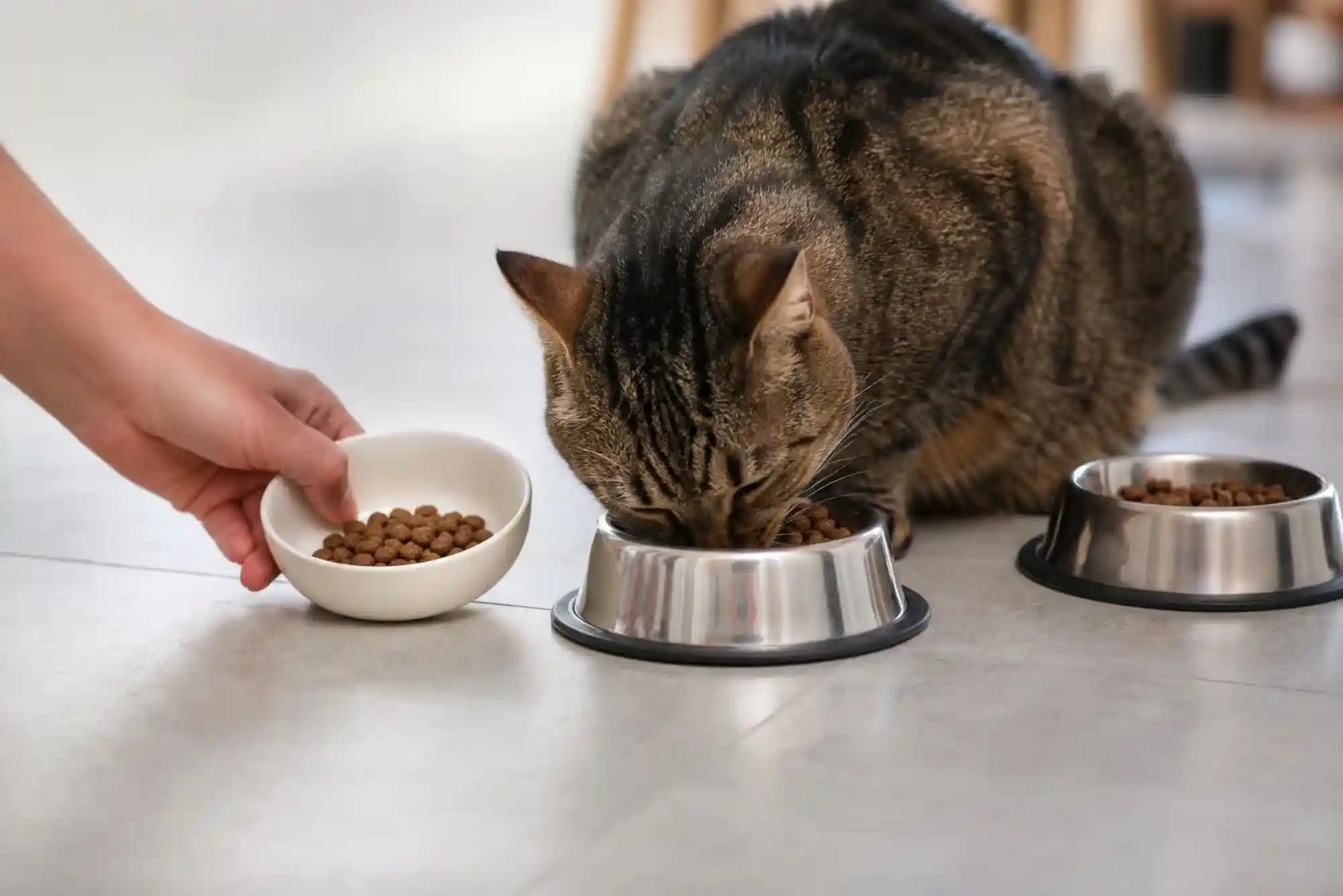
Transitioning requires a gradual blending of old and new foods. Never swap their meals completely in a single day. Instead, spread the transition over a period of seven to ten days. Start by mixing a tiny amount of wet food into their usual kibble. Aim for about 90 percent dry food and 10 percent wet food. Ensure the wet food is thoroughly mixed so they cannot pick around it. Observe your cat closely for any signs of digestive trouble. If their stool remains firm, you can progress to the next stage. Every two days, slightly increase the wet food ratio. Move to an 80-20 split, then a 70-30 split, and keep going. By day ten, many cats are ready for 100 percent wet food. If your cat hesitates, slow down the pace and extend the timeline.
Overcoming Common Feeding Challenges
Some cats will flat out refuse the new wet food texture. They might sniff the bowl and walk away in disgust. To overcome this, try warming the wet food slightly. Warming releases aromas that make the food much more tempting. You can also mix in a tiny splash of warm water. Another trick is adding a healthy topper like bonito flakes. Never starve your cat to force them to eat. Cats can develop a deadly liver condition called hepatic lipidosis if they fast. If your cat refuses the wet food, dial back the daily percentage. Keep the transition moving forward at a pace your cat accepts. Consistency and positive reinforcement always win the day.
Monitoring Your Cat’s Health During the Switch
Keep a close eye on your cat throughout the transition period. Check their litter box daily to monitor their stool consistency. Formed, easy-to-scoop stools mean the transition is going well. Loose stools or watery diarrhea indicate you are moving too fast. If you notice soft stools, drop back to the previous successful ratio. Watch out for other red flags like frequent vomiting or lethargy. Refusing to eat for more than twenty-four hours is also concerning. Contact your veterinarian immediately if these severe symptoms appear. A vet can rule out underlying illnesses and offer tailored advice. Protecting your cat’s overall well-being is always the top priority.

Frequently Asked Questions
How long does it take to switch a cat from dry to wet food
The transition typically takes between seven and ten days. Some stubborn cats may require up to three or four weeks. Always let your individual cat dictate the final timeline.
What should I do if my cat gets diarrhea during the transition
Stop increasing the amount of wet food immediately. Drop back to the last ratio that produced normal stools. Hold steady at that level for a few extra days before trying again.
Can I mix dry kibble and wet food in the same bowl
Yes, mixing them together is a great way to start the transition. However, never leave wet food sitting out for more than two hours. Bacteria can grow quickly and cause further stomach upset.
Is wet food better for older cats with dental issues
Wet food is fantastic for senior cats with missing teeth or sore gums. It requires very little chewing and is easy to swallow. The high moisture content also supports aging kidneys.
Conclusion
Switching your cat to wet food is one of the best choices you can make. It boosts hydration and supports long term health. By taking it slow and monitoring their digestion, you prevent discomfort. Every cat deserves a nutritious diet that makes them thrive. Start your transition journey today and watch your feline friend flourish. Consult your veterinarian if you encounter persistent feeding hurdles. Your dedication will pay off with a happier, healthier pet.