
Introduction
Recognizing the Signs of Separation Anxiety in Rescue Dogs: Proven Calming and Desensitization Routine can help owners understand difficult behavior. Rescue dogs may have experienced abandonment, unstable homes, shelter stays, or sudden changes. As a result, being alone can feel frightening rather than normal.
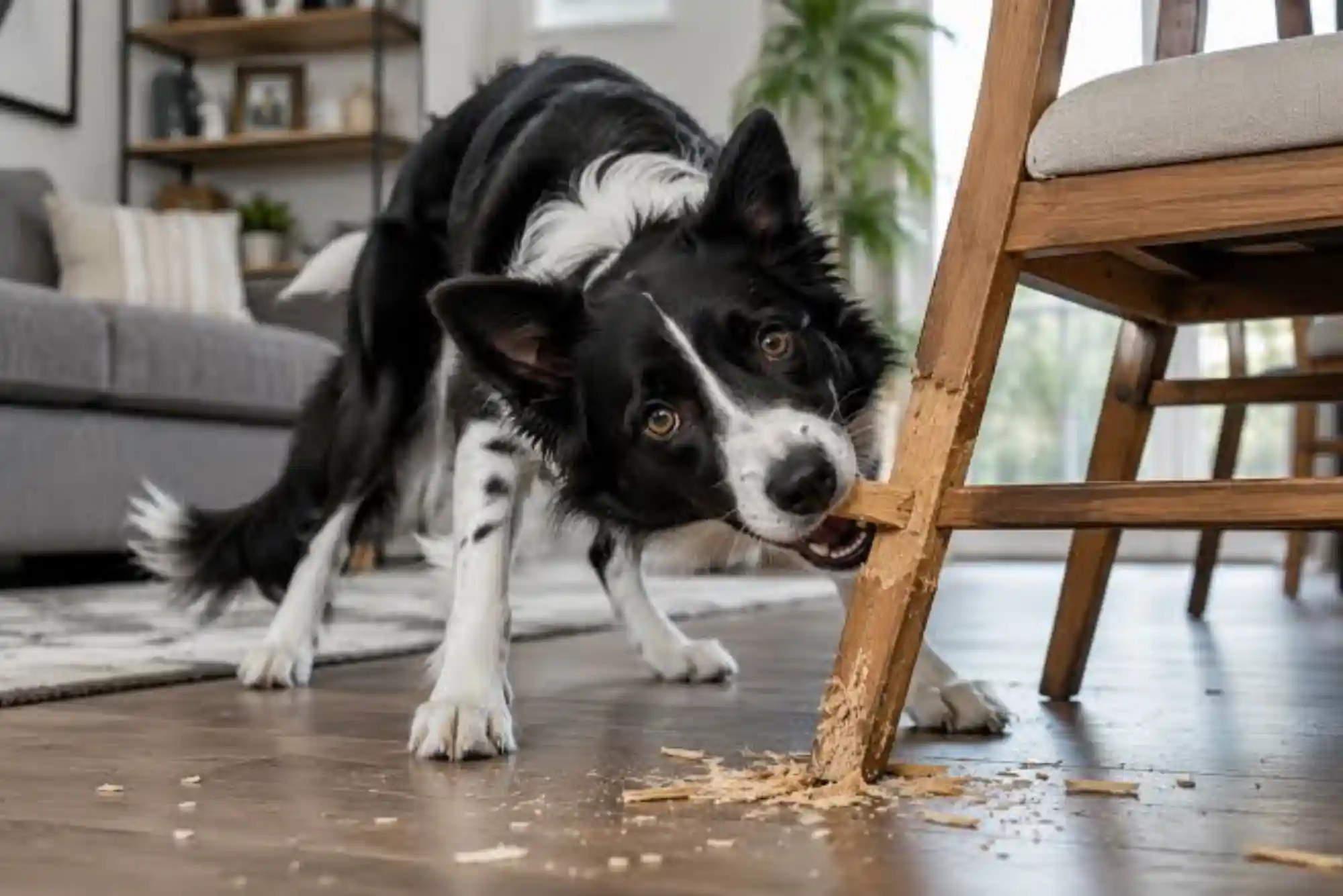
A dog with separation anxiety may panic when you prepare to leave. The behavior can continue while you are away. Some dogs bark, howl, scratch doors, chew furniture, or attempt to escape. Others become unusually quiet and distressed.
However, not every unwanted behavior means separation anxiety. Boredom, insufficient exercise, fear of outside noises, and incomplete house training can create similar problems. Therefore, understanding the pattern is essential before choosing a training approach.
A calm, gradual routine can help many dogs become more comfortable with alone time. The goal is not to force independence. Instead, the goal is to teach the dog that short periods alone are safe.
What Is Separation Anxiety in Rescue Dogs?
Separation anxiety is a distress response that occurs when a dog becomes separated from a person or people they depend on. In rescue dogs, this response may develop after major changes in their environment.
A dog that has experienced abandonment may become highly attached to a new caregiver. The new relationship provides security, food, shelter, and predictable companionship. Consequently, the dog may become worried whenever that person disappears.

Rescue dogs can also struggle because their previous experiences are unknown. Some may have lived through repeated changes in homes. Others may have spent long periods in shelters. These experiences can make adjustment more complicated.
Importantly, separation anxiety is not deliberate misbehavior. A distressed dog is reacting emotionally. Punishment can increase fear and make the problem harder to manage.
Signs of Separation Anxiety in Rescue Dogs
The Signs of Separation Anxiety in Rescue Dogs: Proven Calming and Desensitization Routine often become most obvious around departure and during periods of isolation.
One common sign is intense attention toward the owner before departure. The dog may follow the person from room to room. They may become restless when shoes, keys, bags, or coats appear.
Some dogs vocalize after the owner leaves. Barking, whining, and prolonged howling can indicate distress. A camera recording can help reveal whether these behaviors happen only during separation.
Destructive behavior is another possible warning sign. Dogs may scratch doors, chew window frames, damage furniture, or dig at carpets. When destruction happens mainly during isolation, separation-related distress becomes more likely.
House-soiling can also occur. A previously reliable dog may urinate or defecate when left alone. This pattern should not automatically be blamed on anxiety, though. Medical problems and training issues should also be considered.
Escape attempts deserve particular attention. Some anxious dogs try to push through doors, windows, crates, or barriers. These attempts can result in broken nails, damaged teeth, cuts, or other injuries.
Physical signs may appear as well. Excessive drooling, panting, pacing, trembling, or repeated circling can indicate significant stress. Some dogs refuse food when their caregiver leaves.
How to Tell Anxiety From Normal Dog Behavior
Understanding the difference between normal behavior and anxiety is important. Dogs naturally chew, bark, explore, and seek attention. These behaviors do not automatically indicate separation anxiety.
The timing provides useful information. If destructive behavior occurs only when the dog is alone, separation may be contributing to it. If the same behavior happens while people are home, another explanation may be more appropriate.
The intensity also matters. A dog that occasionally whines after someone leaves may simply dislike the change. A dog that repeatedly panics, attempts escape, or remains distressed requires a different approach.
A veterinarian can also help rule out medical causes. Pain, urinary problems, gastrointestinal issues, and other conditions can influence behavior. Therefore, sudden behavioral changes deserve professional attention.
Why Rescue Dogs May Develop Separation Anxiety
Rescue dogs can experience separation difficulties for several reasons. Previous abandonment is one possibility. However, assuming every rescue dog was abused or abandoned can create inaccurate expectations.
Changes themselves can be stressful. Moving from a shelter into a home introduces unfamiliar rooms, people, sounds, routines, and expectations. The dog may need time to understand that the new environment is stable.
Attachment can also develop quickly. A newly adopted dog may spend nearly every hour with their caregiver during the adjustment period. Later, normal departures can feel sudden and confusing.
For that reason, independence should be introduced gradually. The dog needs opportunities to relax without constant human interaction.
The Proven Calming and Desensitization Routine
The most useful approach is usually gradual desensitization. This means exposing the dog to separation-related experiences at a level they can tolerate.
Begin while you are still at home. Encourage the dog to settle on a comfortable bed while you move around the room. Reward relaxed behavior rather than demanding constant attention.
Next, introduce brief distance. Walk into another room and return before the dog becomes distressed. Keep these repetitions calm and ordinary.
Once the dog handles indoor separation comfortably, progress toward very short departures. Step outside for a few seconds and return calmly. The exact duration should depend on the individual dog.
If the dog begins barking, scratching, pacing, or panicking, the exercise was probably too difficult. Reduce the duration and return to an easier stage.
The central principle is simple: work below the dog’s anxiety threshold. Training should create successful experiences rather than repeated panic.
Build Calm Departure Cues
Departure signals can become powerful anxiety triggers. Picking up keys may cause excitement or fear before the owner even reaches the door.
Desensitization can change this response. Pick up the keys and then sit down. Put on your shoes without leaving. Walk toward the door and return to another activity.
Repeat these actions casually. Over time, the dog can learn that these signals do not always predict a long absence.
Avoid making departures emotionally dramatic. Long goodbyes may unintentionally increase the importance of leaving. A quiet, predictable routine is usually easier for the dog to understand.
Create a Safe Relaxation Routine
A comfortable environment can support separation training. Give the dog access to a familiar resting area where they already feel secure.
Some dogs relax better with soft background noise. Others prefer quiet surroundings. Curtains may help if outdoor movement causes additional excitement.
Food-based enrichment can also support calm behavior. A veterinarian-approved chew or food puzzle may provide an appropriate activity during short absences.
However, enrichment should not be viewed as a cure for severe anxiety. A highly distressed dog may ignore food completely. That response itself can indicate that the separation is overwhelming.
Increase Alone Time Slowly
Progress should be measured by the dog’s behavior, not by an arbitrary schedule. One dog may tolerate several minutes quickly. Another may need much smaller steps.
Increase duration only when the dog remains relaxed at the current level. Small improvements are meaningful because they build confidence without overwhelming the animal.
Avoid making large jumps after a successful session. For example, tolerating two minutes does not necessarily mean the dog is ready for thirty minutes.
Consistency is more valuable than speed. Short, successful sessions can gradually create a stronger emotional response to being alone.
What Owners Should Avoid
Punishment should not be used for separation-related destruction or accidents. The dog may not connect the punishment with the earlier behavior. Instead, they may associate your return with fear.
Forced isolation can also backfire. Locking an anxious dog away for extended periods may increase panic. The training process should remain gradual.
Owners should also avoid repeatedly leaving for long periods during early training whenever possible. Frequent overwhelming absences can interfere with progress.
If unavoidable absences are necessary, professional guidance may help create a management plan. Severe cases may require behavioral treatment alongside environmental management.
When Professional Help Is Necessary
Professional support is especially important when a dog injures themselves, attempts dangerous escapes, or experiences severe panic.
A veterinarian can assess potential medical contributors. A qualified veterinary behavior professional can then help develop an individualized treatment plan.
Medication may sometimes be considered by a veterinarian for appropriate cases. It should never be given without professional guidance.
Training and professional treatment are not competing approaches. In some cases, reducing anxiety first allows the dog to learn more effectively.
How Long Does Separation Anxiety Training Take?
There is no universal timeline. The speed of improvement depends on the dog’s history, anxiety level, environment, routine, and consistency.
Some dogs show progress relatively quickly. Others require weeks or months of carefully controlled practice.
The Signs of Separation Anxiety in Rescue Dogs: Proven Calming and Desensitization Routine should therefore be viewed as a gradual process rather than a quick fix.
The most important measurement is improved emotional comfort. A dog that can remain relaxed for increasingly longer periods is making meaningful progress.
Frequently Asked Questions
How do you calm a rescue dog with separation anxiety?
Start with very short separations that remain below the dog’s anxiety threshold. Pair calm behavior with positive experiences and gradually increase the duration. Avoid punishment and sudden long absences.
What are the first signs of separation anxiety in dogs?
Early signs can include following the owner closely, pacing, whining, restlessness, and distress when departure cues appear. These behaviors become more concerning when they consistently occur around separation.
Can a rescue dog overcome separation anxiety?
Many dogs can improve significantly with appropriate management and gradual behavior modification. However, progress varies between individual dogs. Severe cases may require veterinary or behavioral support.
How long does it take to fix separation anxiety in a rescue dog?
The timeline varies considerably. Mild cases may improve with consistent training, while severe anxiety can require a longer treatment plan. Progress should be based on the dog’s tolerance rather than a fixed deadline.
Should I crate a dog with separation anxiety?
A crate is not automatically appropriate for every anxious dog. Some dogs find crates comforting, while others panic when confined. Never use a crate as a substitute for gradual separation training.
Conclusion
Understanding the Signs of Separation Anxiety in Rescue Dogs: Proven Calming and Desensitization Routine gives owners a practical starting point for helping a worried dog. The key is recognizing distress early and responding with patience.