Introduction
Puppy teething can be one of the most challenging stages of early dog ownership. Your puppy may chew furniture, bite hands, attack shoes, and explore almost everything with their mouth. Fortunately, this behavior usually changes as your puppy grows.
The Puppy Teething Timeline: What Week Do Puppies Stop Biting and Chewing Furniture? depends on several factors. These include age, breed, individual temperament, training, and access to appropriate chew toys. Most puppies begin losing their baby teeth around 12 to 16 weeks. Their adult teeth usually finish emerging by about six months.
However, finishing teething does not always mean chewing stops immediately. Puppies also chew because they are curious, bored, excited, or seeking attention. Therefore, understanding the difference between teething and general chewing is essential.
Puppy Teething Timeline: What Happens at Each Stage?
The Puppy Teething Timeline: What Week Do Puppies Stop Biting and Chewing Furniture? becomes easier to understand when you know what happens inside your puppy’s mouth.
Newborn puppies do not have visible teeth. Their first baby teeth usually begin appearing when they are around two to four weeks old. These small teeth are sharp and designed for early feeding.
By the time puppies are around eight weeks old, most have a complete set of temporary teeth. These teeth are commonly called deciduous teeth. They help puppies transition toward eating solid food.

Around three to four months, the next major stage begins. Baby teeth start falling out as adult teeth push through the gums. During this period, chewing often becomes much more intense.
The gums can feel uncomfortable while adult teeth develop. Chewing provides pressure that may temporarily soothe that discomfort. This is why a previously calm puppy can suddenly become obsessed with furniture.
When Do Puppies Stop Biting?
Many owners want to know exactly when puppy biting ends. Unfortunately, there is no single week when every puppy suddenly stops biting.
Most puppies become noticeably better between four and six months. However, some continue mouthy behavior beyond six months. This is especially common when biting has become part of their play routine.
The Puppy Teething Timeline: What Week Do Puppies Stop Biting and Chewing Furniture? should therefore be viewed as a developmental guide rather than a strict deadline.
Teething-related biting often decreases after the adult teeth have emerged. Still, puppies need consistent training to learn that human skin is not an appropriate chew toy.
If your puppy bites during play, calmly stop the interaction. Redirect the puppy toward a suitable toy. When the puppy chooses the toy, reward that behavior with praise.
Over time, this teaches an important lesson. Biting people makes play stop, while appropriate chewing keeps the interaction going.
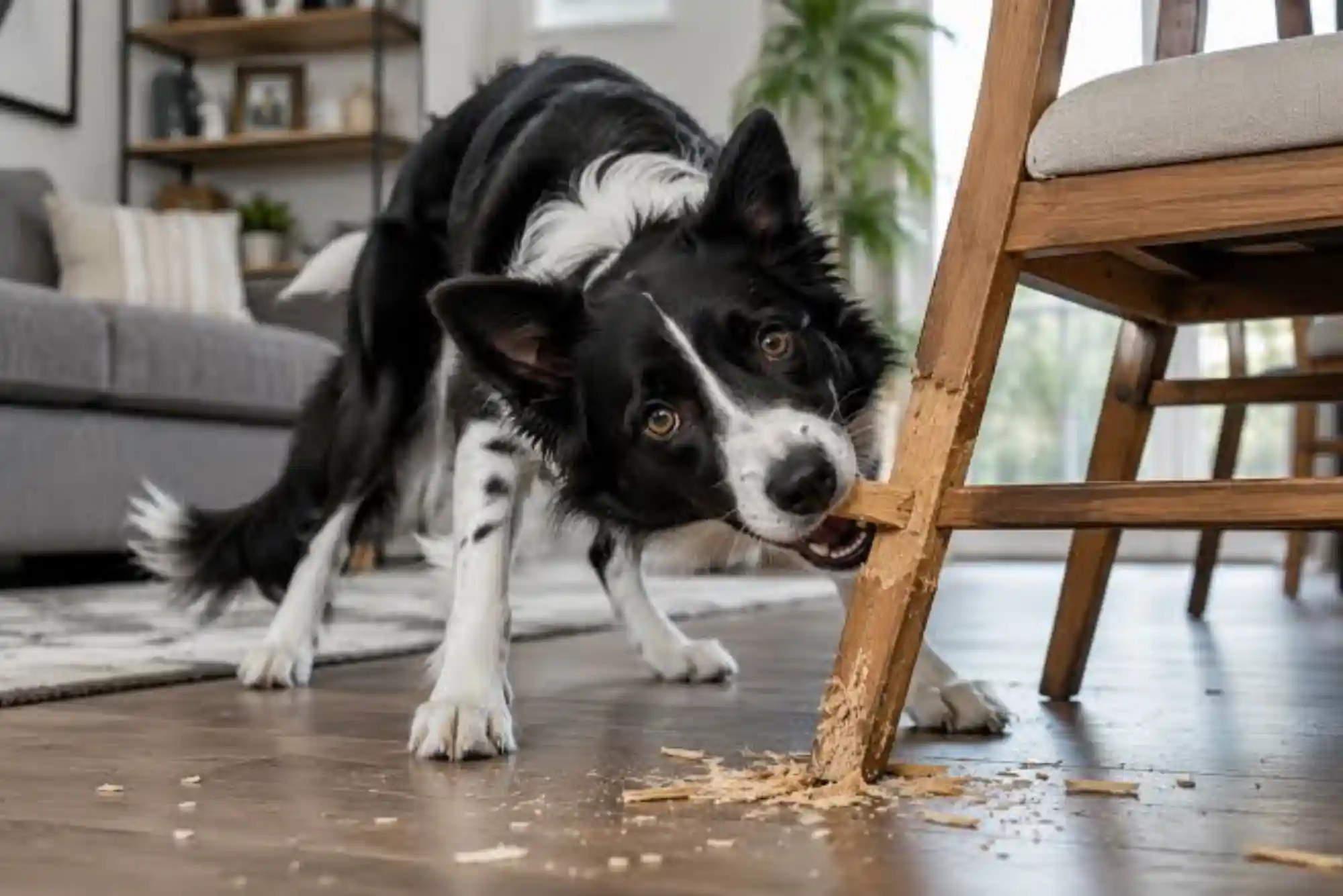
When Do Puppies Stop Chewing Furniture?
Furniture chewing can continue after teething has finished. This happens because chewing is a natural behavior for dogs.
Young dogs investigate their surroundings with their mouths. They may also chew when they are bored or have excess energy.
Most puppies show significant improvement in destructive chewing between six and twelve months. However, individual differences are substantial.
The Puppy Teething Timeline: What Week Do Puppies Stop Biting and Chewing Furniture? is therefore closely connected to training and daily management.
A puppy with plenty of exercise, mental stimulation, supervision, and appropriate toys may stop destructive chewing earlier. A bored puppy may continue chewing furniture well into adolescence.
Why Do Puppies Chew Furniture?
Understanding the reason behind chewing makes the behavior easier to manage. During teething, chewing can provide relief from uncomfortable gums.
After teething, however, other motivations become more important. Puppies may chew because they are exploring their environment. They may also chew because they are bored or trying to release excess energy.
Some puppies chew when they feel anxious after being left alone. Others chew because they have learned that furniture is an interesting source of attention.
For this reason, simply removing a chewing puppy from the sofa may not solve the problem. You need to address the underlying reason.
How to Stop a Puppy From Chewing Furniture
The most effective approach combines prevention, redirection, and positive reinforcement. Start by making inappropriate chewing difficult.
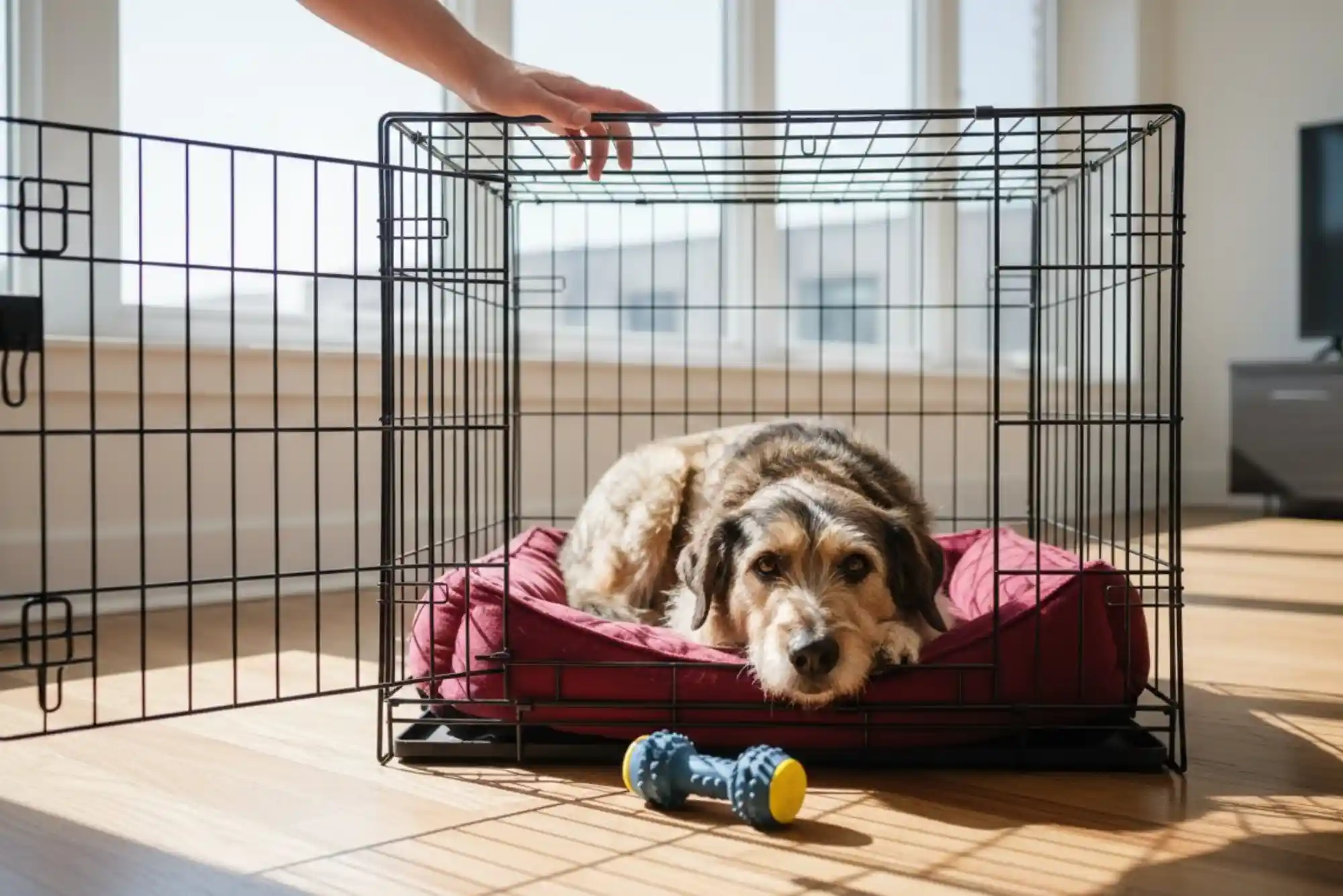
Keep shoes, remote controls, clothing, and other tempting objects away from your puppy. Use gates or puppy-safe areas when direct supervision is impossible.
At the same time, provide several safe chewing options. Puppies often enjoy toys with different textures and shapes. Rotating toys can also keep them interesting.
When your puppy approaches furniture, redirect them calmly. Offer an appropriate chew toy instead.
If the puppy accepts the toy, praise them immediately. This creates a positive association with the behavior you want.
Avoid harsh punishment. Punishment can create confusion and may make some puppies anxious. It also does not teach the puppy what they should chew instead.
How to Handle Puppy Biting During Play
Puppy biting is often most noticeable during exciting play sessions. A puppy may grab hands, sleeves, ankles, or feet.
Rather than wrestling with the puppy using your hands, use toys to create distance. Tug toys and fetch toys can provide safer outlets for playful energy.
If the puppy becomes too excited, pause the game. Give them a short opportunity to settle before restarting.
Consistency matters greatly. Every person in the household should respond to biting in a similar way.
If one person allows hand biting while another discourages it, the puppy receives mixed signals. Clear boundaries make learning much easier.
Does Teething Make Puppies Bite More?
Yes, teething can increase chewing and mouth-related behavior. As adult teeth emerge, puppies may experience gum sensitivity.
Chewing can provide pressure against the gums. Therefore, puppies may seek out firm objects during this period.
Cold, puppy-safe chew toys can sometimes provide soothing stimulation. However, owners should choose products appropriate for the puppy’s size and chewing strength.
Avoid extremely hard objects that could damage developing teeth. When uncertain, ask your veterinarian which chew products are suitable for your puppy.
What Week Do Puppies Get Their Adult Teeth?
Most puppies begin losing their baby teeth at approximately three to four months of age. Adult teeth then gradually replace them.
By around six months, many puppies have most or all of their permanent teeth. Some individual dogs may develop at a slightly different pace.
During this transition, you may notice tiny teeth around the house. Sometimes, however, puppies swallow their baby teeth. This is usually not noticed by the owner.
You may also see increased drooling, chewing, gum sensitivity, or mild changes in eating behavior.
A small amount of discomfort can occur during normal teething. Severe pain, swelling, bleeding, or difficulty eating should be discussed with a veterinarian.
Puppy Teething Timeline and Breed Differences
Breed and individual development can influence the timing of teething. However, the general pattern remains similar for most puppies.
Small and large breeds can have slightly different developmental schedules. Therefore, owners should avoid comparing their puppy too closely with another dog.
Instead, monitor your puppy’s teeth and behavior over time. Regular veterinary examinations can also help confirm that adult teeth are developing normally.
In some puppies, baby teeth fail to fall out properly. These retained teeth can create crowding and other dental concerns.
Your veterinarian can identify these issues during routine examinations. Early attention can help protect your puppy’s long-term oral health.
How Much Chewing Is Normal?
Chewing is normal for puppies. The goal is not to eliminate chewing completely.
Instead, owners should teach puppies where chewing is appropriate. A puppy that regularly uses toys instead of furniture is developing a useful lifelong habit.
The amount of chewing can vary considerably between individual dogs. Some puppies naturally enjoy chewing more than others.
Exercise also matters. Puppies have plenty of physical and mental energy. Without appropriate outlets, that energy can appear as destructive behavior.
Short training sessions, age-appropriate exercise, scent games, and interactive toys can help provide mental stimulation.
When Should You Worry About Puppy Biting?
Normal puppy biting should gradually improve with age and training. However, certain behaviors deserve professional attention.
Contact your veterinarian or a qualified positive-reinforcement trainer if biting becomes unusually intense, causes repeated injuries, or appears connected with fear or aggression.
Body language matters too. A puppy that becomes stiff, repeatedly growls, guards objects, or reacts aggressively needs careful evaluation.
Do not attempt to punish serious behavior yourself. A professional can help identify the cause and create an appropriate training plan.
Frequently Asked Questions
What age do puppies stop biting?
Many puppies show major improvement between four and six months. However, some continue biting beyond this age. Consistent training can speed up the transition from playful biting to appropriate behavior.
At what age do puppies stop chewing everything?
Destructive chewing often decreases after teething, but it can continue through adolescence. Many puppies improve considerably between six and twelve months. Training, exercise, supervision, and appropriate chew toys all influence progress.
How long does the puppy teething stage last?
The main teething period generally occurs between three and six months. Baby teeth fall out while permanent teeth emerge. Chewing may remain common afterward because chewing is also a normal canine behavior.
Why is my six-month-old puppy still biting?
A six-month-old puppy may still bite because teething has recently finished or because biting became a learned play behavior. Redirecting the puppy toward toys and consistently stopping inappropriate biting can help.
How do I stop my puppy from chewing furniture?
Prevent access to furniture when possible and provide appropriate alternatives. Redirect your puppy whenever they begin chewing furniture. Reward them when they choose an approved toy.
Should I punish my puppy for biting?
Punishment is generally not the best teaching method. Instead, calmly end inappropriate play and redirect the puppy toward an appropriate toy. Consistent positive reinforcement helps puppies understand the desired behavior.
Puppy Teething Timeline: What Week Do Puppies Stop Biting and Chewing Furniture?
The Puppy Teething Timeline: What Week Do Puppies Stop Biting and Chewing Furniture? does not have one exact answer for every dog.
Most puppies begin losing their baby teeth around three to four months. Their adult teeth usually emerge by approximately six months. Biting often improves during this period, but furniture chewing may continue because it has other causes.