Introduction
Introducing two adult dogs can feel stressful, especially when you are worried about barking, lunging, or a sudden fight. Adult dogs already have established habits, boundaries, and experiences with other animals. Therefore, their first meeting should be carefully planned rather than left to chance. If you understand how to introduce two adult dogs on neutral territory without fighting, you can reduce pressure and give both dogs time to become comfortable.
The goal is not instant friendship. Instead, the first meeting should create a calm experience where neither dog feels trapped or threatened. Professional dog-introduction guidance recommends starting on neutral ground, using loose leads, and allowing dogs to approach gradually. Parallel walking is particularly useful because it lets dogs notice one another without forcing a direct greeting.
Why Neutral Territory Matters for Adult Dogs
The location can strongly influence how dogs behave around one another. A home, yard, favorite walking area, or sleeping space may be familiar territory to one dog. When another dog enters that space, the resident dog may become protective or uncomfortable.
For this reason, neutral territory is an important part of learning how to introduce two adult dogs on neutral territory without fighting. Choose an outdoor location that neither dog regularly considers its own. A quiet street, unfamiliar walking trail, or calm open area can work well.
The location should also provide enough room to increase distance when necessary. Avoid narrow paths, crowded dog parks, busy entrances, or places where either dog could become trapped. More space gives both animals opportunities to move away and recover if they become uncomfortable.
Prepare Both Dogs Before the Meeting
Successful introductions begin before the dogs actually see each other. Both dogs should have had an opportunity to toilet and release some excess energy. However, avoid exhausting them through intense exercise immediately beforehand.

Each dog should have a separate handler. Two people make it much easier to control distance and observe body language. Use secure equipment that you can handle confidently, and keep the leads loose whenever possible.
Tight leash pressure can increase tension during an already unfamiliar situation. Guidance from the Maryland SPCA also recommends parallel walking at a distance, loose leads, and rewarding calm behavior during the introduction.
It is also useful to carry small, high-value treats. These can reinforce calm behavior without forcing the dogs to interact. The reward should come when a dog notices the other dog and remains relaxed.
Start With a Parallel Walk
The parallel walk is one of the most useful techniques when learning how to introduce two adult dogs on neutral territory without fighting. Instead of walking the dogs directly toward one another, have both handlers walk in the same direction.
Begin with enough distance between them that both dogs can notice each other without becoming highly focused. For some dogs, that distance may be several metres. Others may need considerably more space.
Do not worry if the dogs seem far apart at first. Distance is not a failure. It is a tool that keeps arousal manageable.
As you continue walking, observe both dogs carefully. Relaxed movement, normal sniffing, soft facial expressions, and an ability to look away are generally encouraging signs. On the other hand, freezing, intense staring, stiff movement, raised hackles, or persistent barking indicate that you should increase distance.
The key is to progress according to the dogs’ behavior rather than according to a fixed schedule.
Gradually Reduce the Distance
Once both dogs can walk calmly while noticing each other, gradually reduce the space between them. Make small changes rather than moving suddenly.
If both dogs remain relaxed, continue walking together. If either dog becomes tense, create more distance again. This approach teaches the dogs that seeing another dog does not automatically mean they must interact.
This gradual process is central to how to introduce two adult dogs on neutral territory without fighting. PetMD recommends allowing dogs to become comfortable through parallel walking and emphasizes that introductions may take minutes for some dogs or several sessions for others.
Do not interpret slow progress as failure. A successful introduction is one where both dogs remain emotionally comfortable. Some dogs need several meetings before they are ready for close interaction.
Watch the Dogs’ Body Language
Understanding body language is essential because dogs often communicate discomfort before a fight occurs. A relaxed dog may have a loose body, natural movement, and an ability to disengage from the other dog.
Warning signs can include a rigid posture, prolonged staring, raised hackles, a stiff high tail, growling, lip curling, or repeated attempts to move away. Best Friends Animal Society emphasizes the importance of understanding canine body language and recognizing when an introduction should be stopped.
A wagging tail does not automatically mean a dog is comfortable. Tail position, body stiffness, facial expression, movement, and overall behavior should be considered together.
If you notice increasing tension, calmly create distance. Do not punish the dog for communicating discomfort. Punishment can increase stress and may make future interactions more difficult.
Allow a Brief Greeting When Both Dogs Are Ready
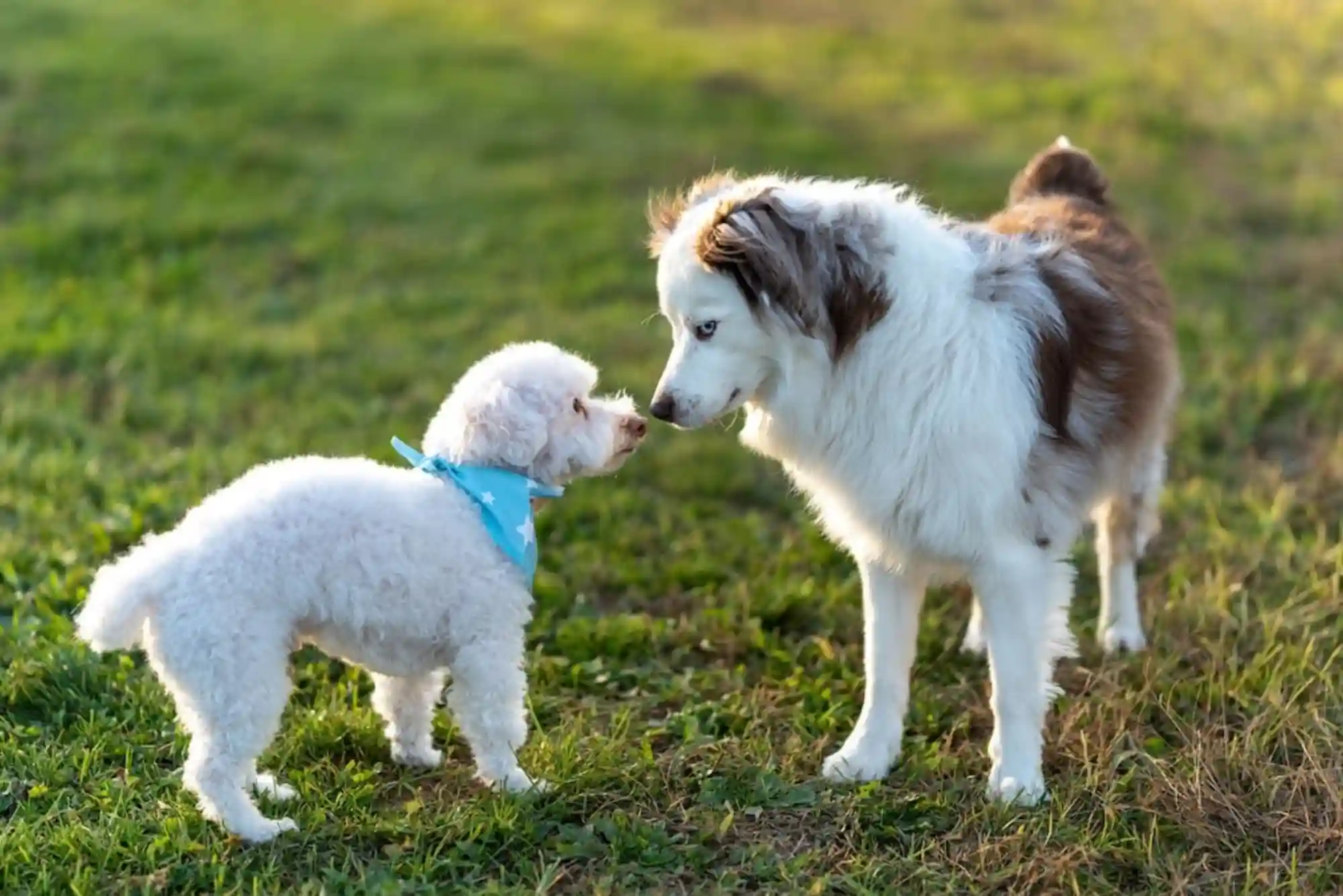
Once both dogs can walk near each other calmly, you can consider a brief greeting. Keep the leads loose and allow the dogs to approach from an angle rather than forcing them directly toward each other’s faces.
Avoid holding the dogs tightly while waiting for them to sniff. That can create unnecessary pressure. Instead, keep moving naturally and allow the interaction to remain short.
After a brief sniff, call the dogs away and continue walking. This gives them an opportunity to reset instead of allowing excitement to build.
You can repeat short greetings if both dogs remain relaxed. However, there is no requirement for the dogs to play during their first meeting. A calm walk without direct interaction can be a successful introduction.
Never Force Two Dogs to Become Friends
One of the biggest mistakes people make when learning how to introduce two adult dogs on neutral territory without fighting is expecting immediate friendship.
Dogs have individual personalities. Some enjoy playing with other dogs, while others prefer peaceful coexistence and personal space. Not every dog needs to become a close companion to another dog.
The first objective should therefore be emotional safety. If the dogs can calmly walk together, observe each other, and eventually share space without conflict, you have already made meaningful progress.
Allowing the relationship to develop naturally is safer than repeatedly forcing contact.
What If the Dogs Start Fighting?
If serious aggression develops, do not put your hands between fighting dogs. Human hands can be badly injured during an attempt to physically separate animals.
Instead, use safe physical barriers and create distance whenever possible. Once separated, give both dogs time to settle before considering another interaction.
Do not punish either dog after the incident. A fight can increase fear and arousal, and punishment may create additional negative associations.
If repeated introductions produce aggressive behavior, stop attempting direct meetings and seek help from a qualified professional. PetMD recommends professional assistance when dogs display fear, reactivity, or aggression during introductions.
Transition From Neutral Ground to Home
A successful neutral meeting does not mean the dogs are immediately ready to share everything at home. Your house introduces new challenges, including food, toys, beds, resting places, and human attention.
Before bringing the dogs together indoors, remove valuable items that could cause competition. Feed them separately, and supervise their interactions during the early adjustment period.
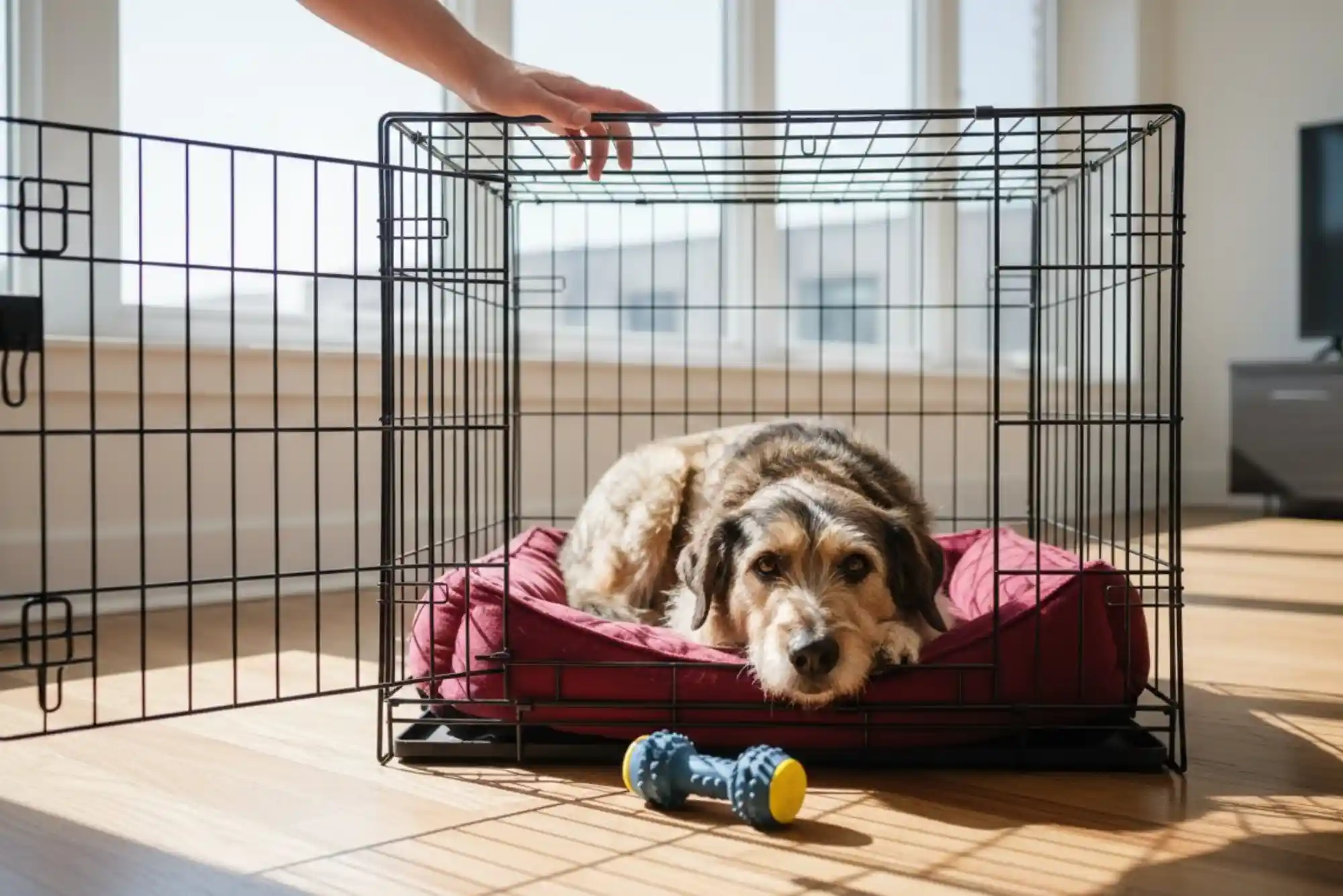
Give each dog a separate place where it can rest without being disturbed. Baby gates, separate rooms, and controlled access can make the transition easier.
Continue watching their body language at home. A dog that behaved calmly outdoors may become more uncomfortable when another dog approaches its food bowl or favorite sleeping area.
Therefore, how to introduce two adult dogs on neutral territory without fighting is only the first stage. Long-term success also depends on thoughtful management inside the home.
How Long Should a Dog Introduction Take?
There is no universal time limit. Some dogs become comfortable during one calm meeting, while others need multiple sessions.
Adult dogs with previous negative experiences may need considerably more time. Rushing can undo progress, so focus on behavior instead of the clock.
PetMD notes that some introductions can take minutes, while others may require sessions over days or weeks.
The best approach is to advance only when both dogs consistently show relaxed behavior. If either dog struggles, return to a greater distance and continue building positive experiences.
Common Mistakes to Avoid
A common mistake is introducing the dogs inside the resident dog’s home. This can add territorial pressure before the dogs have even learned about each other.
Another mistake is walking them directly toward each other for a forced nose-to-nose greeting. Parallel movement usually provides a lower-pressure alternative.
People also sometimes tighten the leash when they become nervous. Although understandable, excessive leash tension can increase the dog’s physical and emotional restraint.
Finally, avoid assuming that a single calm meeting means all future interactions will be easy. Continue supervising the dogs until their relationship becomes predictable and comfortable.
Frequently Asked Questions
How do you introduce two adult dogs for the first time?
Start in neutral territory with one handler for each dog. Begin with parallel walking at a comfortable distance. Gradually reduce the distance while watching body language. When both dogs remain relaxed, allow brief, controlled greetings before continuing the walk.
Should dogs meet on neutral territory?
Yes. Neutral territory can reduce the territorial pressure that may occur when an unfamiliar dog enters a resident dog’s home or yard. A quiet location unfamiliar to both dogs can provide more opportunities for controlled movement and distance.
How do I introduce two dogs without them fighting?
Keep the first meeting gradual and controlled. Use two handlers, loose leads, parallel walking, and plenty of space. Watch carefully for stiff posture, hard staring, growling, or other signs of discomfort. If tension increases, increase the distance instead of forcing interaction.
Should dogs meet off leash for the first time?
A first meeting is generally easier to manage with controlled leads. This gives handlers a way to create distance if needed. Off-leash interaction should only be considered when both dogs are already showing consistently relaxed behavior in a suitable secure environment.
What should I do if my dog growls at another dog?
Treat the growl as communication rather than something to punish. Calmly increase the distance and allow your dog to settle. A growl can indicate discomfort, fear, or excessive arousal. If the behavior repeatedly escalates, professional guidance can help identify the underlying problem.
How long does it take for two adult dogs to get along?
There is no fixed timeline. Some dogs adjust quickly, while others need multiple sessions over several days or weeks. The safest approach is to let the dogs’ behavior determine the pace rather than expecting immediate friendship.
Conclusion
Learning how to introduce two adult dogs on neutral territory without fighting is mainly about controlling pressure and respecting canine communication. Neutral territory removes much of the territorial challenge, while parallel walking allows dogs to become familiar without immediate physical confrontation.